How Much Electricity Do Solar Panels Generate in Winter?
A 10 kWp System Example in Antalya
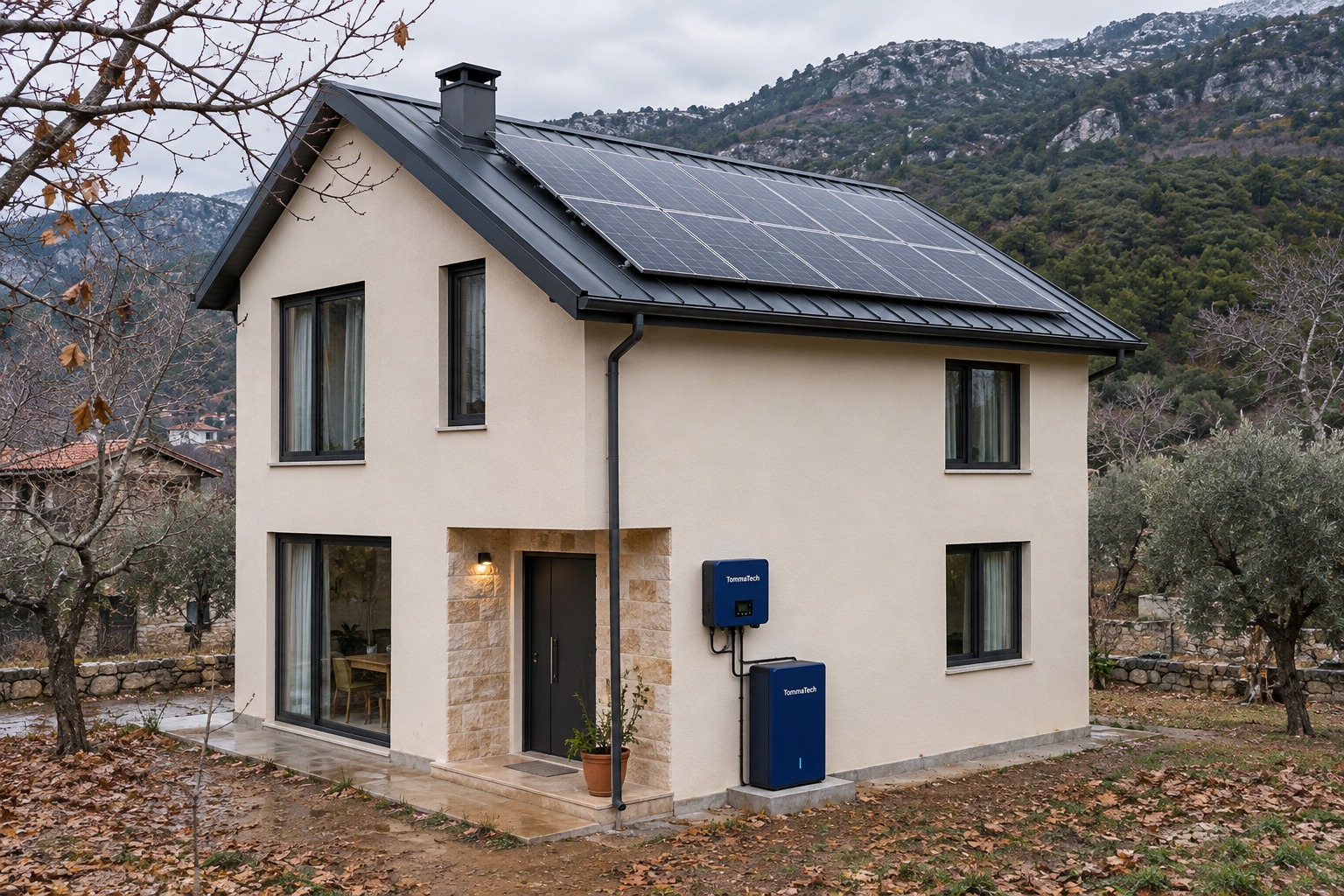
Solar panels generate electricity in Antalya throughout the winter. Shorter days and a lower sun angle generally mean lower total generation than in summer. So how much electricity can a 10 kWp solar PV system on your roof generate? The answer depends on your roof’s orientation, the tilt of the panels, shading, and your location.
How Much Electricity Can a 10 kWp Solar System Generate in Winter?
10 kWp is the total rated power of the solar panels under standard test conditions. kWh, or kilowatt-hours, measures the amount of electricity the system generates over a day or a month. Your electricity bill also records consumption in kWh.
Suppose a preliminary assessment estimates that a 10 kWp rooftop system will generate 600 kWh in January. Dividing that figure by 31 days gives a daily average of about 19.4 kWh. Generation may be higher on clear days and lower on overcast days.
The 600 kWh figure is hypothetical and illustrates how to read a monthly estimate. To estimate winter generation for your roof in Antalya, December, January, and February are calculated separately.
What Affects Winter Solar Generation?
- Daylight and cloud cover. Solar panels still generate electricity on cloudy days, but output drops when less sunlight reaches them.
- Roof orientation and panel tilt. Both affect how much sunlight the panels receive throughout the day and when they generate the most electricity.
- Shading. The sun sits lower in winter, so shadows from nearby buildings, trees, or chimneys may fall across the panels for longer.
Two homes in the same Antalya neighbourhood can generate different amounts of electricity even if their systems have the same rated capacity. A roof assessment helps identify areas that fall into shade during winter before the panel layout is finalised.
How Much of the Electricity Can You Use at Home?
Even if your system generates 600 kWh in a month and your home consumes 600 kWh in the same month, you may still draw electricity from the grid. Solar panels generate electricity during daylight hours. If much of your consumption takes place in the evening and you have no battery storage, you will draw electricity from the grid during those hours. When comparing estimated generation with your bill, consider when you use electricity as well as how much you use.
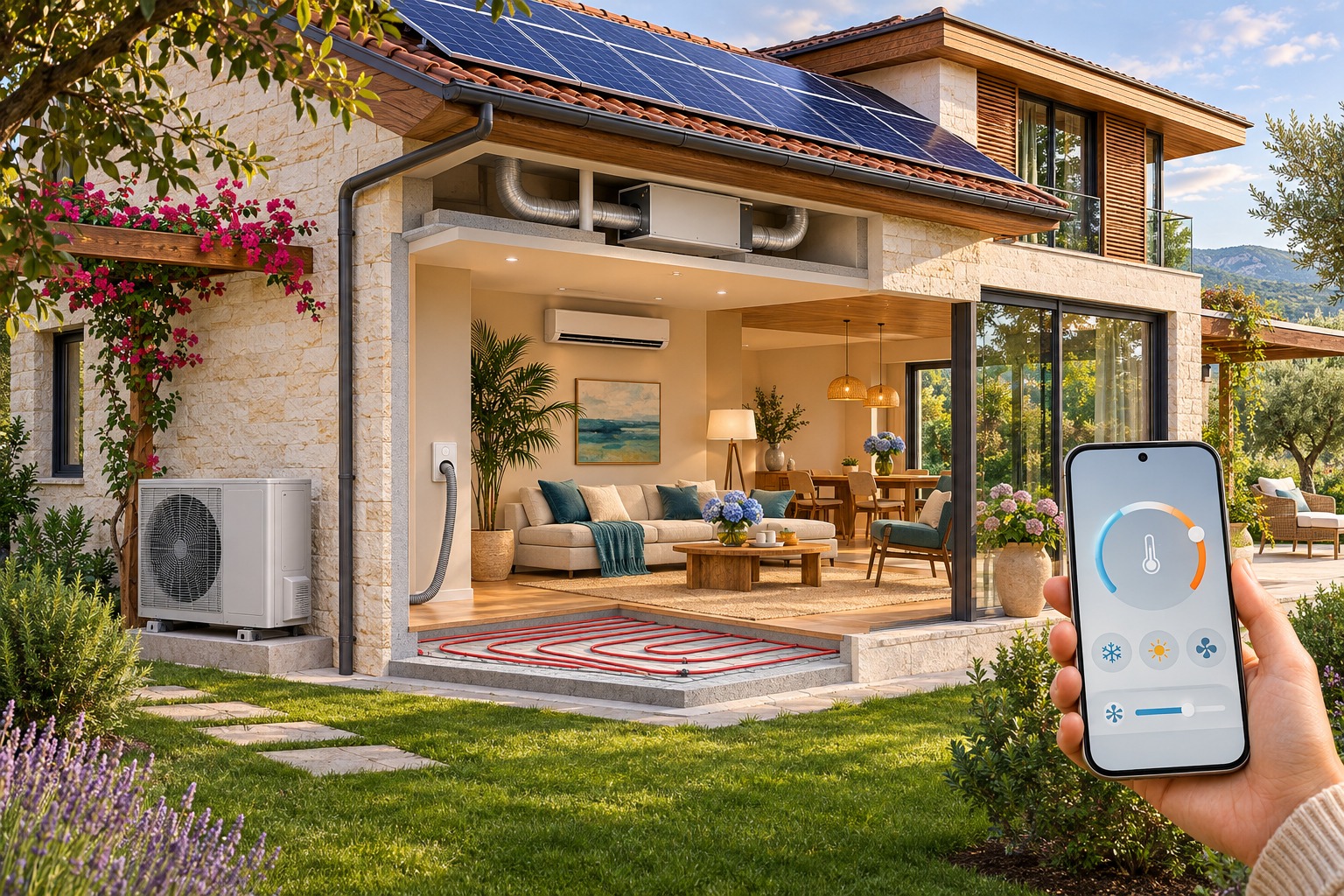
If you heat your home with a heat pump, it helps to look at winter separately. Electricity use may rise as heating demand increases. Comparing estimated solar generation for December, January, and February with your consumption in those same months shows how much the system could contribute to your winter electricity needs.
Would you like to know how much electricity a 10 kWp system could generate on your roof in Antalya this winter? At HŞ Şevik Enerji, we assess your roof’s orientation, shading, and electricity consumption together.
The figures in this example are illustrative averages.